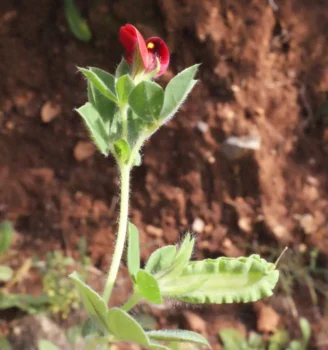
Winged Pea: A Unique European Annual for Your Garden
Looking for something a little different to spice up your garden? Meet the winged pea (Tetragonolobus purpureus), a charming Mediterranean annual that’s sure to turn heads with its striking purple-red flowers and curious winged seed pods. While this isn’t a North American native, it’s a delightful addition for gardeners wanting to explore European cottage garden classics.
What Makes Winged Pea Special?
The winged pea gets its name from the distinctive four-angled wings on its seed pods – a feature that makes it instantly recognizable in the garden. Also known by its synonym Lotus tetragonolobus, this plant produces beautiful deep purple-red flowers that bloom throughout the growing season, followed by those fascinating winged pods that are actually edible when young and tender.
Where Does It Come From?
This Mediterranean beauty hails from southern Europe, where it has been cultivated in cottage gardens for centuries. It’s perfectly adapted to the warm, sunny conditions and well-drained soils typical of its homeland.
Garden Design and Landscape Use
Winged pea works wonderfully in several garden settings:
- Cottage gardens for that authentic old-world charm
- Mediterranean-style landscapes alongside lavender and rosemary
- Herb and edible gardens where the young pods can be harvested
- Container gardens for patios and small spaces
- As an unusual conversation starter in flower borders
Growing Conditions and Care
The good news is that winged pea is refreshingly low-maintenance. Here’s what it needs to thrive:
- Sunlight: Full sun is essential for best flowering and pod development
- Soil: Well-drained soil is crucial – this plant doesn’t like wet feet
- Water: Moderate watering once established; drought-tolerant like many Mediterranean plants
- Climate: Grows as an annual in USDA zones 3-9
Planting and Care Tips
Getting started with winged pea is straightforward:
- Direct sow seeds in spring after the last frost date
- Plant seeds about ½ inch deep and 6 inches apart
- Germination typically occurs within 1-2 weeks in warm soil
- Thin seedlings if they become crowded
- Harvest young pods when they’re tender for culinary use
- Allow some pods to mature if you want to save seeds for next year
Pollinator and Wildlife Benefits
Like many members of the legume family, winged pea attracts bees and other beneficial pollinators with its colorful flowers. The plant also fixes nitrogen in the soil, making it a helpful companion plant for other garden vegetables and flowers.
Should You Grow It?
Winged pea makes an interesting addition to gardens for adventurous gardeners who enjoy trying something unique. While it’s not native to North America, it’s also not considered invasive, so you can grow it without environmental concerns. However, if you’re focusing on native plants, consider alternatives like wild lupine (Lupinus perennis) or partridge pea (Chamaecrista fasciculata), which offer similar legume benefits while supporting local ecosystems.
Whether you’re drawn to its unusual appearance, interested in its edible pods, or simply want to add some European cottage garden flair to your landscape, winged pea is worth considering for your next gardening adventure. Just remember to save some of those distinctive pods – they make excellent additions to dried flower arrangements!