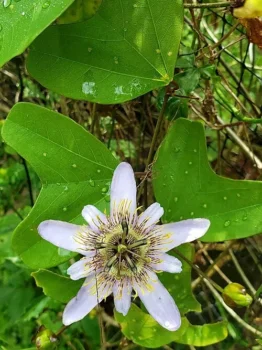
Wingleaf Passionflower: A Tropical Climbing Beauty for Your Garden
If you’re looking to add some tropical flair to your garden with a climbing vine that produces intricate, eye-catching flowers, the wingleaf passionflower (Passiflora bicornis) might just catch your interest. This perennial climbing vine brings the exotic beauty of passion flowers to warm-climate gardens, though it comes with some considerations worth knowing about.
What Is Wingleaf Passionflower?
Wingleaf passionflower is a twining, climbing plant that can develop relatively long stems that may be either woody or herbaceous depending on growing conditions. Like other members of the passion vine family, it’s known for producing the characteristically complex and beautiful flowers that make these plants so captivating to gardeners.
You might also see this plant referenced by its botanical synonym, Passiflora pulchella Kunth, in some older gardening references or plant catalogs.
Native Status and Geographic Distribution
Here’s something important to know upfront: wingleaf passionflower is not native to the United States. Originally from Central and South America, this species has been introduced to Hawaii, where it now reproduces spontaneously in the wild and has established persistent populations.
Currently, you’ll find established populations of this plant in Hawaii, where it has adapted well to the tropical climate.
- Species observed
- No observations
Why Consider Growing Wingleaf Passionflower?
There are several reasons why gardeners are drawn to this climbing beauty:
- Unique flowers: Like other passion vines, it produces intricate, exotic-looking blooms that are real conversation starters
- Climbing habit: Perfect for covering fences, trellises, or arbors with lush foliage
- Perennial nature: Once established, it returns year after year in suitable climates
- Potential pollinator benefits: Passion flowers typically attract butterflies and other beneficial insects
Garden Design and Landscape Use
This climbing vine works well in tropical and subtropical garden settings where you need vertical interest. Consider using it to:
- Cover unsightly fences or walls
- Create natural privacy screens on trellises
- Add tropical ambiance to patios and garden rooms
- Grow in large containers with support structures in cooler climates
Growing Conditions and Care
Wingleaf passionflower thrives in warm, tropical to subtropical conditions. Here’s what it needs to flourish:
Climate: Best suited for USDA hardiness zones 9-11, where temperatures stay consistently warm. In cooler areas, consider container growing with winter protection.
Light: Prefers full sun to partial shade for optimal flowering and growth.
Soil: Well-draining soil is essential. These vines don’t tolerate waterlogged conditions well.
Water: Regular watering during the growing season, but avoid overwatering.
Support: As a climbing vine, it absolutely needs sturdy support structures like trellises, fences, or arbors to grow properly.
Planting and Care Tips
Getting your wingleaf passionflower established successfully involves a few key steps:
- Choose the right location: Pick a spot with good air circulation and adequate support structures
- Prepare the soil: Ensure excellent drainage by amending heavy soils with compost or other organic matter
- Provide support early: Install trellises or other climbing supports before or immediately after planting
- Monitor growth: These vines can be vigorous growers, so regular pruning may be necessary to keep them in bounds
Important Considerations
While wingleaf passionflower can be a beautiful addition to appropriate gardens, it’s worth considering native alternatives that provide similar benefits while supporting local ecosystems. Since this species has shown the ability to establish and persist in the wild in Hawaii, gardeners in tropical areas might want to explore native climbing vines that offer comparable beauty and function.
If you do choose to grow wingleaf passionflower, be mindful of its vigorous growth habit and consider containing it to prevent unintended spread into natural areas.
The Bottom Line
Wingleaf passionflower can be an attractive choice for gardeners in warm climates who want to add tropical flair with a climbing vine. Its exotic flowers and vigorous growth make it well-suited for covering structures and creating lush, tropical garden spaces. However, as with any non-native plant, consider native alternatives first and grow responsibly to prevent potential impacts on local ecosystems.
Whether you’re creating a tropical paradise in your backyard or looking for an eye-catching container plant for your patio, understanding this vine’s needs and growth habits will help you decide if it’s the right fit for your garden goals.