Winter Aconite: A Cheerful Herald of Spring’s Arrival
When the last snowdrifts are still clinging to shady corners and most gardeners are dreaming of warmer days, winter aconite (Eranthis hyemalis) boldly pushes through the frozen ground to announce that spring is on its way. These plucky little perennials are among the earliest bloomers in the garden, often flowering in late winter when little else dares to show its face.
What is Winter Aconite?
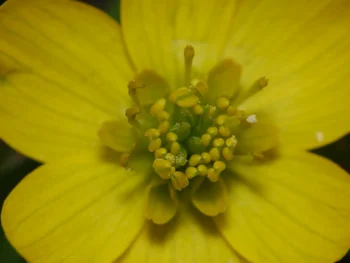
Winter aconite is a small perennial forb that grows from underground tubers. Despite its common name suggesting a connection to the toxic aconite plant, winter aconite belongs to an entirely different group and is actually related to buttercups. The plant produces bright golden-yellow flowers that sit atop a collar of deeply divided green leaves, creating a charming carpet of color when planted in groups.
This hardy little plant is also known by its botanical name, Eranthis hyemalis, and has historical synonyms including Helleborus hyemalis. As a non-woody perennial, it dies back completely in summer and re-emerges each late winter with reliable enthusiasm.
Where Does Winter Aconite Grow?
Originally native to Europe, winter aconite has naturalized in several parts of North America. You’ll find established populations in Ontario, Delaware, District of Columbia, Illinois, Kentucky, New Jersey, New York, North Carolina, Ohio, Pennsylvania, and Virginia. The plant has successfully adapted to these regions, reproducing on its own and persisting without human intervention.
- Species observed
- No observations
Garden Appeal and Landscape Role
Winter aconite’s greatest charm lies in its timing. When your garden looks like a barren wasteland and you’re convinced nothing will ever grow again, these sunny yellow blooms pop up to restore your faith in the gardening life. Each flower measures about an inch across and features bright yellow petals that seem to glow against the often-dreary late winter landscape.
In the garden, winter aconite serves several valuable roles:
- Provides crucial early nectar for bees and other pollinators emerging from winter
- Creates naturalized drifts under deciduous trees and shrubs
- Adds reliable early color to woodland gardens and shaded areas
- Works beautifully in rock gardens where drainage is excellent
Growing Conditions and Care
Winter aconite is surprisingly easy to grow once you understand its preferences. These plants thrive in USDA hardiness zones 3-7, making them suitable for most northern and temperate gardens.
Soil and Drainage: Well-drained soil is absolutely essential. Winter aconite tubers will rot in soggy conditions, especially during their summer dormancy period. They prefer soil that stays moist during their active growing season (late winter through late spring) but becomes relatively dry in summer.
Light Requirements: These adaptable plants can handle full sun during their growing season, but they’re perfectly content in partial shade. Since they bloom before most trees leaf out, they often get plenty of light even in woodland settings.
Planting Tips: Plant tubers in fall, about 2-3 inches deep. Pro tip: soak the tubers overnight before planting to give them a head start. Don’t be discouraged if they seem slow to establish – winter aconite can take a year or two to really hit its stride, but once settled, it will naturalize readily.
Maintenance and Long-term Care
Once established, winter aconite is refreshingly low-maintenance. The key is to let the foliage die back naturally after flowering – resist the urge to cut it down too early, as the leaves are busy storing energy in the tubers for next year’s show. By early summer, the plants will have gone completely dormant, leaving no trace above ground until the following winter.
Avoid disturbing the soil around dormant plants during summer, as the tubers are easily damaged when not actively growing.
A Note on Native Alternatives
While winter aconite is a delightful garden addition and not considered invasive, gardeners interested in supporting native ecosystems might also consider these native early bloomers:
- Bloodroot (Sanguinaria canadensis) for early white flowers
- Wild ginger (Asarum canadense) for interesting foliage in shade
- Trout lily (Erythronium americanum) for yellow spring flowers
- Hepatica (Anemone hepatica) for early blue or white blooms
The Bottom Line
Winter aconite offers gardeners a reliable way to brighten the dreary late winter months while providing valuable early season resources for pollinators. Its cheerful yellow flowers and carefree nature make it an excellent choice for woodland gardens, naturalized areas, and anywhere you want to add a touch of early spring magic. Just remember to be patient during establishment and resist the urge to fuss with them once they’re settled – sometimes the best gardening advice is simply to let these charming little plants do their thing.