Winter Creeper: Why This Evergreen Groundcover Might Not Be Your Garden’s Best Friend
Winter creeper (Euonymus fortunei) might seem like the perfect solution for that tricky shady spot in your yard. After all, what’s not to love about an evergreen groundcover that thrives in almost any condition? Well, as it turns out, quite a bit. While this hardy perennial has been a popular landscaping choice for decades, there are some important reasons why you might want to think twice before adding it to your garden.
What is Winter Creeper?
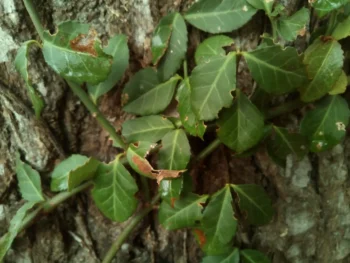
Winter creeper is a woody, multi-stemmed perennial that typically grows as a low shrub, usually staying under 13 to 16 feet in height. This evergreen plant can take on different forms depending on its environment – sometimes sprawling as a groundcover, other times climbing up trees, walls, or fences like a vine. Its glossy green leaves often take on purplish tones in winter, and it produces small white flowers in summer followed by orange-red berries in fall.
The Invasive Species Problem
Here’s where things get complicated. Winter creeper isn’t native to North America – it originally comes from eastern Asia, including China, Japan, and Korea. While it was introduced as an ornamental plant, it has since established itself in the wild across much of the eastern United States and parts of Canada, including Ontario.
Currently, winter creeper can be found growing in Alabama, Connecticut, Delaware, District of Columbia, Georgia, Illinois, Indiana, Kansas, Kentucky, Maryland, Massachusetts, Michigan, Mississippi, Missouri, New Jersey, New York, North Carolina, Ohio, Pennsylvania, Rhode Island, South Carolina, Tennessee, Texas, Virginia, and Wisconsin.
- Species observed
- No observations
The real concern is its invasive status in several states:
- Delaware lists it as Invasive
- Maryland classifies it as Tier 1 invasive
- Missouri considers it Invasive
- New Jersey has it as Regulated
- Alabama has placed it on their Watch List
Why Winter Creeper Becomes Problematic
Winter creeper’s success as an invasive species comes from the very traits that make it attractive to gardeners. It’s incredibly adaptable, tolerating everything from full sun to deep shade and thriving in various soil types. Once established, it’s quite drought tolerant and requires minimal care. The problem is that these same characteristics allow it to escape gardens and establish in natural areas, where it can smother native plants and disrupt local ecosystems.
The plant reproduces both by seed (those attractive berries are spread by birds) and vegetatively, sending out runners that root wherever they touch the ground. This dual reproduction strategy makes it particularly effective at colonizing new areas.
Growing Conditions and Care
If winter creeper is already established in your landscape, it’s hardy in USDA zones 5-9 and tolerates:
- Full sun to full shade
- Various soil types and pH levels
- Drought conditions once established
- Urban pollution and challenging growing conditions
However, given its invasive nature, we strongly recommend against planting winter creeper and suggest removing existing plantings where possible.
Better Native Alternatives
Instead of winter creeper, consider these native groundcover alternatives that provide similar benefits without the ecological risks:
- Wild ginger (Asarum canadense) for shady areas
- Wintergreen (Gaultheria procumbens) for evergreen coverage
- Wild strawberry (Fragaria virginiana) for sunny slopes
- Partridgeberry (Mitchella repens) for woodland settings
- Creeping phlox (Phlox subulata) for rocky areas
The Bottom Line
While winter creeper might seem like an easy solution for challenging garden spots, its invasive nature makes it a poor choice for responsible gardeners. The plant’s ability to escape cultivation and harm native ecosystems far outweighs its ornamental benefits. By choosing native alternatives, you’ll not only avoid contributing to an invasive species problem but also support local wildlife and create a more sustainable landscape. Your garden – and your local ecosystem – will thank you for it.