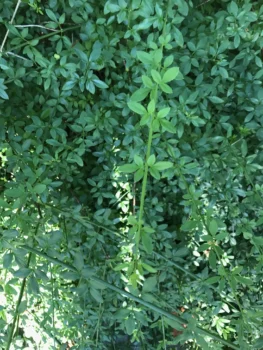
Winter Jasmine: A Bright Spot in the Darkest Months
When the garden looks like it’s given up for the year and everything seems brown and dreary, winter jasmine (Jasminum nudiflorum) swoops in like a cheerful friend bearing yellow flowers. This deciduous vine brings sunshine to the bleakest months, blooming from late winter into early spring when most other plants are still fast asleep.
What is Winter Jasmine?
Winter jasmine is a perennial climbing and twining plant with relatively long, flexible stems that can be woody or herbaceous. Despite its name, it’s not actually a true jasmine in terms of fragrance – the flowers are nearly scentless. But what it lacks in perfume, it makes up for with its cheerful disposition and reliable winter performance.
Where Does Winter Jasmine Come From?
Originally native to China, winter jasmine is a non-native species that has been introduced to North America. It has naturalized in several states including Georgia, Maryland, and New Jersey, where it reproduces spontaneously in the wild and tends to persist without human intervention.
- Species observed
- No observations
Why You Might Want Winter Jasmine
Winter jasmine offers several appealing qualities that make it attractive to gardeners:
- Winter interest: Bright yellow flowers appear on bare green stems from late winter through early spring
- Low maintenance: Thrives in poor soils and tolerates drought once established
- Versatile: Works as ground cover, cascading over walls, or for erosion control on slopes
- Hardy: Suitable for USDA zones 6-10
- Adaptable: Tolerates full sun to partial shade conditions
Potential Concerns
Before you rush out to plant winter jasmine, consider these factors:
- Aggressive spreader: Can spread vigorously and may overwhelm smaller plants
- Non-native status: As an introduced species, it doesn’t provide the same ecological benefits as native plants
- Limited wildlife value: While it may provide some early nectar on warm winter days, it offers minimal benefits to native wildlife
Native Alternatives to Consider
If you’re looking for early spring color from native plants, consider these alternatives:
- Spicebush (Lindera benzoin) – offers yellow fall color and early spring flowers
- Serviceberry (Amelanchier species) – provides early white flowers and supports native wildlife
- Redbud (Cercis canadensis) – delivers stunning pink-purple blooms in early spring
How to Grow Winter Jasmine Successfully
If you decide winter jasmine fits your garden plans, here’s how to grow it successfully:
Planting Tips
- Plant in fall or early spring
- Choose a location where it has room to spread or where you can easily control its growth
- Works well on slopes, cascading over retaining walls, or as ground cover in informal areas
Growing Conditions
- Light: Full sun to partial shade (more flowers in full sun)
- Soil: Adaptable to most soil types, including poor soils
- Water: Drought tolerant once established, but benefits from regular water during establishment
- Climate: Hardy in USDA zones 6-10
Care and Maintenance
- Prune immediately after flowering to control spread and shape
- Can be cut back hard if it becomes too aggressive
- Requires minimal fertilization – too much can reduce flowering
- Watch for spread and remove unwanted shoots promptly
The Bottom Line
Winter jasmine can be a delightful addition to gardens where its aggressive nature won’t cause problems and where winter color is desperately needed. Its cheerful yellow blooms provide a welcome sight during the dreary months, and it’s nearly foolproof to grow. However, consider pairing it with or choosing native alternatives that provide similar aesthetic benefits while supporting local ecosystems. If you do plant winter jasmine, be prepared to manage its enthusiastic spreading habits with regular pruning and maintenance.