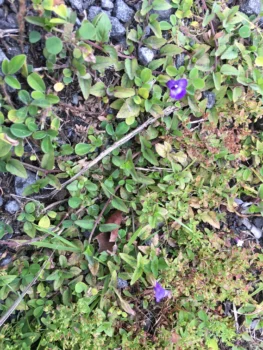
Wishbone Flower: A Charming Shade-Loving Annual for Your Garden
If you’ve been searching for a delightful flowering plant that thrives in those tricky shady spots of your garden, let me introduce you to the wishbone flower (Torenia asiatica). This petite charmer might just become your new favorite for adding splashes of color where other flowers fear to bloom.
What is Wishbone Flower?
Wishbone flower, scientifically known as Torenia asiatica, gets its whimsical common name from the distinctive wishbone-shaped stamens that peek out from its tubular blooms. This annual forb belongs to a group of plants that lack woody stems, making it a soft, herbaceous addition to your garden palette. You might also encounter it under the synonym Torenia glabra, but don’t let the name confusion worry you – it’s the same lovely plant.
Where Does It Come From?
Originally hailing from Asia’s tropical and subtropical regions, wishbone flower has made itself quite at home in various parts of the world. In the United States, you’ll find it growing in Hawaii, where it’s established itself as a non-native species that reproduces naturally in the wild. The plant has adapted well to Hawaiian conditions and tends to persist once established.
- Species observed
- No observations
Why Consider Wishbone Flower for Your Garden?
There are several compelling reasons why gardeners fall for this little beauty:
- Shade tolerance: Unlike many flowering annuals that demand full sun, wishbone flower actually prefers partial shade to full shade
- Continuous blooms: With proper care, it produces flowers throughout the growing season
- Compact size: Perfect for containers, borders, and ground cover applications
- Low maintenance: Once established, it’s relatively easy to care for
- Pollinator friendly: The small tubular flowers attract bees, butterflies, and other beneficial insects
Garden Design and Landscape Role
Wishbone flower shines brightest when used as a ground cover or border plant in shade gardens and woodland settings. Its compact growth habit makes it an excellent choice for container gardening, where you can move it around to create focal points or fill in gaps in your landscape design. The plant works beautifully in combination with ferns, hostas, and other shade-loving perennials.
Growing Conditions and Care
Creating the right environment for wishbone flower isn’t complicated, but getting these basics right will ensure the best performance:
- Light: Partial shade to full shade (morning sun with afternoon shade is ideal)
- Soil: Well-draining, consistently moist soil rich in organic matter
- Water: Regular watering to maintain soil moisture, but avoid waterlogging
- Climate: Grown as an annual in most USDA zones, may survive as a perennial in zones 10-11
Wetland Adaptability
Interestingly, wishbone flower has a facultative wetland status in Hawaii, meaning it usually occurs in wetlands but can also thrive in non-wetland conditions. This adaptability makes it quite versatile for different moisture conditions in your garden, though it generally prefers consistent moisture.
Planting and Care Tips
Getting started with wishbone flower is straightforward:
- Plant after the last frost date in spring
- Space plants 6-8 inches apart for good air circulation
- Mulch around plants to retain soil moisture
- Deadhead spent flowers regularly to encourage continued blooming
- Provide consistent watering during dry spells
- Fertilize monthly with a balanced, water-soluble fertilizer during the growing season
A Note About Native Alternatives
While wishbone flower can be a lovely addition to shade gardens, consider exploring native alternatives that might provide similar benefits while supporting local ecosystems. Depending on your region, native options like wild columbine, coral bells, or native violets might offer comparable aesthetic appeal with the added benefit of supporting local wildlife and requiring less maintenance once established.
The Bottom Line
Wishbone flower offers gardeners an easy-to-grow option for adding color to shaded areas where many other flowering plants struggle. While it’s not native to most of North America, it’s generally well-behaved in garden settings and provides value to pollinators. If you’re looking for a reliable annual that doesn’t mind the shade and rewards you with charming blooms all season long, wishbone flower might just earn a spot in your garden rotation.