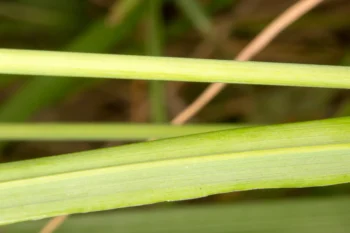
Wood Bluegrass: A Shade-Tolerant Grass for Challenging Spots
If you’ve been struggling to find a grass that actually thrives in shade, wood bluegrass (Poa nemoralis) might just be your new best friend. This fine-textured perennial grass has a knack for growing where other grasses fear to tread – under trees, in woodland gardens, and in those tricky shaded corners of your yard.
What Exactly Is Wood Bluegrass?
Wood bluegrass is a cool-season perennial grass that belongs to the graminoid family – basically, it’s a true grass with all the classic grass characteristics you’d expect. Don’t let the bluegrass name fool you into thinking it’s related to your typical lawn grass, though. This woodland specialist has its own unique personality and growing habits that set it apart from its more sun-loving cousins.
Where Does Wood Bluegrass Come From?
Here’s where things get a bit complicated. Wood bluegrass isn’t native to North America – it originally hails from Europe and Asia. However, it has established itself across a remarkably wide range of North American locations, from Alaska and most Canadian provinces to nearly every U.S. state. You’ll find it growing in Alberta, British Columbia, Alaska, Manitoba, New Brunswick, Arizona, California, Nova Scotia, Ontario, Colorado, Connecticut, Quebec, Delaware, Saskatchewan, Yukon, Northwest Territories, and many more states and provinces.
- Species observed
- No observations
While it’s considered non-native and naturalized in places like Greenland and St. Pierre and Miquelon, its status varies across different regions. In many areas, it’s simply become part of the landscape without causing major ecological disruptions.
Should You Plant Wood Bluegrass in Your Garden?
The answer depends on what you’re trying to achieve. Wood bluegrass excels in situations where native grasses might struggle, particularly in shaded woodland settings. Here are some reasons you might consider it:
- Exceptional shade tolerance compared to most grasses
- Low maintenance once established
- Fine texture adds delicate visual interest
- Tolerates foot traffic reasonably well
- Adapts to various soil moisture levels
However, since it’s not native to North America, you might want to explore native alternatives first, such as native sedges or woodland grasses that naturally occur in your region.
Growing Conditions and Care
Wood bluegrass is surprisingly adaptable, which probably explains its widespread distribution. It performs best in USDA hardiness zones 3-8, making it suitable for most temperate climates.
When it comes to moisture, this grass is quite flexible. Its wetland status varies by region – in some areas, it’s classified as facultative, meaning it can handle both wet and dry conditions, while in others it’s facultative upland, preferring drier sites but tolerating occasional wetness.
Planting and Maintenance Tips
Growing wood bluegrass successfully is fairly straightforward:
- Plant in partial to full shade – this is where it really shines
- Ensure good drainage, though it tolerates various soil types
- Establish from seed in cool weather (spring or fall)
- Water regularly during establishment, then reduce as needed
- Minimal fertilization required once established
- May self-seed in suitable conditions
Landscape Role and Design Ideas
Wood bluegrass works beautifully as a ground cover in woodland gardens, under trees where traditional lawn grass fails, and in naturalized landscape areas. Its fine texture creates a soft, almost meadow-like appearance that complements woodland wildflowers and shade perennials.
Consider using it in informal pathways through wooded areas, as understory coverage in tree groves, or as a transitional ground cover between formal garden areas and wilder spaces.
Wildlife and Ecological Considerations
As a wind-pollinated grass, wood bluegrass doesn’t offer significant direct benefits to pollinators like bees and butterflies. However, grasses do provide habitat structure and may support some wildlife species for nesting or cover.
The Bottom Line
Wood bluegrass can be a practical solution for challenging shaded areas where you need grass-like coverage. While it’s not native to North America, it’s also not typically considered invasive or problematic. If you decide to plant it, use it thoughtfully in appropriate locations, and consider exploring native alternatives that might serve similar functions in your local ecosystem.
Remember, the best garden is one that works with your specific conditions and goals – sometimes that means finding plants that can handle the tough spots while you reserve the prime real estate for native species that support local wildlife.