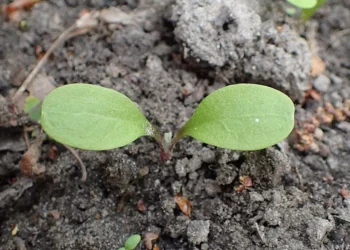
Woodland Burdock: A Bold Biennial with European Roots
If you’re looking for a plant that makes a dramatic statement in your garden, woodland burdock (Arctium vulgare) might catch your eye. This robust biennial brings Old World charm to American landscapes, though it comes with both benefits and considerations worth exploring.
What Is Woodland Burdock?
Woodland burdock is a non-native biennial that originally hails from Europe and western Asia. As a biennial, it follows a two-year life cycle: the first year focuses on developing an impressive rosette of large leaves, while the second year brings tall flower stalks crowned with purple, thistle-like blooms.
You might also encounter this plant under its scientific synonyms, including Arctium minus subspecies nemorosum or Arctium nemorosum, though Arctium vulgare remains the accepted name.
Where Does It Grow?
This adaptable plant has established itself across several states in the northeastern and mid-Atlantic regions, including Connecticut, Kansas, Maine, New Hampshire, New York, Pennsylvania, Rhode Island, Vermont, and Virginia. It reproduces readily on its own and tends to persist once established.
- Species observed
- No observations
The Appeal of Woodland Burdock
Woodland burdock brings several attractive qualities to the garden:
- Dramatic foliage with large, heart-shaped leaves that create bold texture
- Purple flower heads that bloom in summer, resembling small thistles
- Pollinator-friendly blooms that attract bees and butterflies
- Architectural presence that works well in wild or naturalized gardens
- Adaptability to various growing conditions
Growing Conditions and Care
Woodland burdock is relatively easy to grow if you can meet its basic needs:
Hardiness: Thrives in USDA zones 3-9, making it suitable for most temperate climates.
Light: Performs well in full sun to partial shade, though it appreciates some afternoon shade in hotter climates.
Soil: Prefers moist, rich soils but adapts to various soil types. Good drainage prevents root rot during wet periods.
Water: Consistent moisture keeps the large leaves looking their best, especially during dry spells.
Planting and Propagation
Growing woodland burdock from seed is straightforward:
- Direct seed in spring after the last frost or in fall
- Barely cover seeds with soil, as they need light to germinate
- Keep soil consistently moist until seedlings establish
- Space plants 2-3 feet apart to accommodate their mature size
Be aware that established plants often self-seed readily, so you may find new plants appearing in subsequent years.
Garden Design Considerations
Woodland burdock works best in:
- Wild or naturalized garden areas
- Herb gardens (the roots are edible and used medicinally)
- Background plantings where its bold foliage can shine
- Areas where you want to attract pollinators
Its substantial size—often reaching 3-6 feet tall and wide—means it needs room to spread and won’t work in small, formal spaces.
Things to Consider
Before adding woodland burdock to your garden, keep these points in mind:
- The burr-like seed heads can stick to clothing and pet fur
- As a non-native species, it doesn’t support native wildlife as effectively as indigenous plants
- It may self-seed more aggressively than desired
- The large taproot can be difficult to remove once established
Native Alternatives to Consider
If you love the bold foliage and pollinator appeal of woodland burdock but prefer native options, consider these alternatives:
- Wild bergamot (Monarda fistulosa) for pollinator-friendly purple blooms
- Cup plant (Silphium perfoliatum) for dramatic height and foliage
- Wild ginger (Asarum canadense) for large, heart-shaped leaves in shade
- Purple-stemmed aster (Symphyotrichum puniceum) for late-season pollinator support
The Bottom Line
Woodland burdock can be an interesting addition to informal gardens, especially if you appreciate its European heritage and dramatic presence. While it’s not invasive enough to avoid entirely, thoughtful gardeners might prefer native alternatives that provide similar benefits while supporting local ecosystems more effectively. If you do choose to grow it, embrace its wild nature and give it plenty of space to show off its impressive stature.