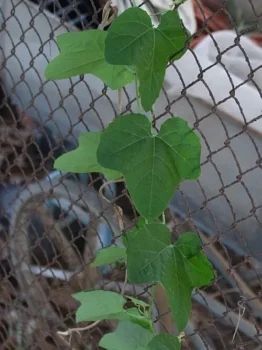
Woodland Passionflower: A Rare Non-Native with Limited Garden Appeal
Meet the woodland passionflower (Passiflora morifolia), a rather mysterious member of the passion vine family that’s managed to establish itself in South Carolina. While its name might conjure images of the more familiar and showy passion vines we often see climbing garden trellises, this particular species is quite the enigma in the gardening world.
What Exactly Is Woodland Passionflower?
Passiflora morifolia is a perennial forb herb, which in plain English means it’s a non-woody plant that comes back year after year. Unlike its climbing cousins that can scramble up fences and arbors, this species grows more like a typical herbaceous plant without significant woody tissue above ground. You might also encounter it listed under its synonym, Passiflora warmingii Masters, in older botanical references.
Where Does It Call Home?
Originally from South American regions, this non-native species has somehow made its way to South Carolina, where it now reproduces on its own in the wild. It’s quite remarkable how plants can travel across continents and establish themselves in new territories, though this particular species hasn’t spread very far from its single documented state.
- Species observed
- No observations
Should You Grow It in Your Garden?
Here’s where things get a bit tricky. While woodland passionflower isn’t currently listed as invasive or noxious, there’s surprisingly little information available about its garden performance, growing requirements, or potential benefits to wildlife. This lack of information, combined with its non-native status, makes it a questionable choice for most gardeners.
Better Native Alternatives
Instead of taking a gamble on this mysterious species, why not consider some fantastic native passionflower options that are proven garden performers?
- Purple Passionflower (Passiflora incarnata) – A stunning native climber with intricate purple and white flowers
- Yellow Passionflower (Passiflora lutea) – A more subtle native option with small yellow-green flowers
- Red Passionflower (Passiflora coccinea) – Where native, offers brilliant red blooms
These native alternatives not only provide reliable garden performance but also support local ecosystems by providing food and habitat for native wildlife, including the Gulf Fritillary butterfly whose caterpillars depend on native passionflowers.
The Bottom Line
While woodland passionflower might sound intriguing, its limited distribution, unknown garden qualities, and non-native status make it a less-than-ideal choice for most gardeners. Your garden space is precious real estate – why not fill it with well-documented native plants that you know will thrive and support local wildlife? Save the mystery plants for botanical researchers and stick with proven native beauties that will reward you with reliable performance and ecological benefits.
If you’re drawn to the unique beauty of passionflowers, explore the wonderful world of native species instead. Your local pollinators, and your garden’s success rate, will thank you!