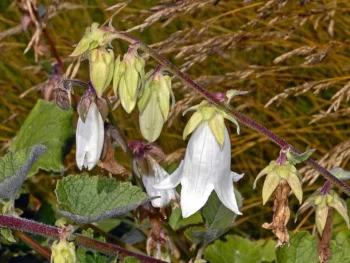
Woolly Bellflower: A Lesser-Known Member of the Campanula Family
If you’ve stumbled across the name woolly bellflower (Campanula lanata), you might be wondering what exactly this plant is and whether it deserves a spot in your garden. This biennial member of the bellflower family is somewhat of a mystery in the gardening world, with limited documentation compared to its more popular cousins.
What is Woolly Bellflower?
Woolly bellflower is a non-native biennial forb that has found its way into North American gardens and landscapes. As a forb, it’s an herbaceous plant without woody stems, completing its life cycle over two growing seasons. Like other members of the Campanula genus, it likely produces the characteristic bell-shaped flowers that make this plant family so beloved by gardeners.
Where Does It Grow?
Currently documented in Massachusetts, this introduced species has established itself in limited areas of the United States. As a non-native plant, it reproduces on its own in the wild without human assistance, showing its ability to adapt to local conditions.
- Species observed
- No observations
Should You Plant Woolly Bellflower?
Here’s where things get a bit tricky. While Campanula lanata isn’t listed as invasive or noxious, its limited documentation makes it difficult to provide definitive growing advice. If you’re drawn to bellflowers for your garden, you might want to consider these well-documented native alternatives instead:
- American bellflower (Campanulastrum americanum)
- Harebell (Campanula rotundifolia) – native in northern regions
- Wild bergamot (Monarda fistulosa) – offers similar cottage garden appeal
Growing Considerations
If you decide to grow woolly bellflower, keep in mind that as a biennial, it will:
- Produce foliage the first year
- Flower and set seed in the second year
- Require patience as you wait for blooms
Without specific growing requirements documented for this species, general Campanula care principles would likely apply, including well-draining soil and adequate sunlight.
The Bottom Line
While woolly bellflower might sound intriguing, the lack of detailed information about its characteristics, growing needs, and potential impacts makes it a bit of a garden gamble. For reliable beauty and ecological benefits, consider choosing well-documented native bellflowers or similar plants that will provide certain rewards for both you and local wildlife.
If you do encounter this plant in the wild or in cultivation, consider contributing to botanical databases to help expand our knowledge of this lesser-known species. Every observation helps build our understanding of how plants adapt and thrive in different environments.