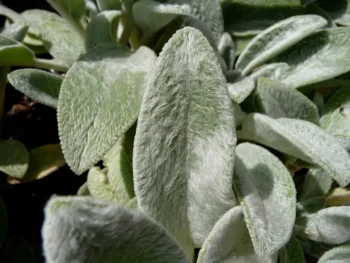
Woolly Hedgenettle: The Soft and Silvery Garden Charmer
If you’ve ever wanted to add a touch of silver velvet to your garden, woolly hedgenettle (Stachys byzantina) might just be the plant for you. This perennial forb has earned its place in gardens worldwide thanks to its irresistibly soft, fuzzy leaves that practically beg to be touched. But before you fall head over heels for this silvery beauty, let’s explore what makes it tick and whether it deserves a spot in your landscape.
What Is Woolly Hedgenettle?
Woolly hedgenettle is a low-growing perennial that forms dense mats of incredibly soft, silver-white foliage. Each leaf is covered in tiny hairs that give the plant its characteristic woolly texture and silvery appearance. During summer, it sends up spikes of small purple-pink flowers that rise above the foliage like fuzzy exclamation points.
Also known by its botanical name Stachys byzantina (formerly Stachys olympica), this charming plant originally hails from Turkey, Armenia, and Iran. While it’s not native to North America, it has naturalized in several regions and can be found growing in British Columbia, California, Ontario, Connecticut, Quebec, Illinois, New York, Utah, Vermont, and Virginia.
- Species observed
- No observations
Why Gardeners Love (and Sometimes Don’t Love) Woolly Hedgenettle
There’s a lot to appreciate about this fuzzy groundcover:
- Incredibly soft, touchable foliage that adds unique texture to garden beds
- Striking silver color provides excellent contrast against green plants
- Extremely drought tolerant once established
- Thrives in poor soils where other plants struggle
- Attractive to pollinators when flowering
- Low maintenance and deer resistant
However, there are a few considerations to keep in mind. As a non-native species, woolly hedgenettle doesn’t provide the same ecological benefits as native plants. It can also spread enthusiastically in ideal conditions, potentially requiring some management to keep it in bounds.
Garden Design and Landscape Uses
Woolly hedgenettle shines as a versatile landscape plant. Its low, mat-forming habit makes it perfect for:
- Ground cover in sunny, dry areas
- Border edging along pathways and garden beds
- Rock gardens and xeriscapes
- Mediterranean-style gardens
- Cottage garden borders
- Textural contrast alongside darker foliage plants
The plant typically grows 6-12 inches tall and spreads 12-18 inches wide, making it ideal for filling in spaces between larger perennials or creating flowing drifts of silver.
Growing Conditions and Care
One of woolly hedgenettle’s greatest strengths is its adaptability to challenging conditions. Here’s what it needs to thrive:
Sunlight: Full sun is essential for the best foliage color and compact growth habit.
Soil: Well-draining soil is crucial. This plant actually prefers poor to average soil and can struggle in rich, fertile conditions. Sandy or rocky soils work wonderfully.
Water: While it needs regular water to get established, woolly hedgenettle becomes quite drought tolerant once its roots are settled. Overwatering can lead to root rot and fungal issues.
Climate: Hardy in USDA zones 4-8, this plant can handle both cold winters and hot summers.
Planting and Care Tips
Getting woolly hedgenettle established is refreshingly straightforward:
- Plant in spring after the last frost
- Space plants 12-18 inches apart for ground cover use
- Water regularly the first growing season, then reduce watering
- Cut back flower stalks after blooming if you prefer to focus on foliage
- Divide clumps every 3-4 years to maintain vigor
- Avoid fertilizing, as rich conditions can cause the plant to become leggy
The plant’s woolly leaves can trap moisture, so ensure good air circulation and avoid overhead watering to prevent fungal problems.
Pollinator and Wildlife Benefits
When woolly hedgenettle blooms, its purple-pink flower spikes attract various pollinators, including bees and butterflies. However, as a non-native plant, it doesn’t support native wildlife to the same extent as indigenous species.
Consider Native Alternatives
If you’re interested in supporting local ecosystems while still enjoying silvery foliage, consider these native alternatives:
- Artemisia species (native sagebrush varieties)
- Antennaria plantaginifolia (plantain-leaved pussytoes)
- Native Penstemon species with silver foliage
- Regional native plants with similar growing requirements
The Bottom Line
Woolly hedgenettle is an undeniably charming plant that brings unique texture and color to gardens. While it’s not native to North America, it’s not considered invasive in most areas and can be a valuable addition to water-wise landscapes. If you choose to grow it, you’ll be rewarded with a low-maintenance plant that thrives in challenging conditions and provides months of silvery beauty.
Just remember to balance non-native plants like woolly hedgenettle with plenty of native species to create a garden that’s both beautiful and beneficial to local wildlife. After all, the best gardens are those that please both gardeners and the creatures that call our landscapes home.