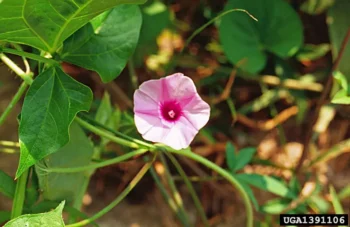
Wright’s Morning-Glory: What You Need to Know About This Non-Native Vine
If you’ve stumbled upon Wright’s morning-glory (Ipomoea wrightii) in your research for garden plants, you might be wondering whether this flowering vine deserves a spot in your landscape. Let’s dive into what we know about this interesting but non-native species and explore whether it’s the right choice for your garden.
The Basics: What is Wright’s Morning-Glory?
Wright’s morning-glory is a non-native plant that belongs to the morning-glory family. As a forb herb, it’s a vascular plant without significant woody tissue, meaning it stays relatively soft and herbaceous rather than developing a woody stem like shrubs or trees. This species can be either annual or perennial, depending on growing conditions.
You might also encounter this plant listed under several scientific synonyms, including Ipomoea heptaphylla, Ipomoea pulchella, and Ipomoea spiralis, which can make research a bit confusing!
Where You’ll Find Wright’s Morning-Glory
This non-native species has established itself across a surprisingly wide range in the United States. You can find Wright’s morning-glory growing wild in Alabama, Arkansas, Florida, Georgia, Louisiana, Mississippi, Oklahoma, Tennessee, Texas, and Virginia. It’s also present in Puerto Rico and the U.S. Virgin Islands.
- Species observed
- No observations
The plant has managed to reproduce spontaneously in the wild without human assistance and tends to persist once established, which is typical behavior for many introduced species.
Growing Preferences and Habitat
One thing we do know about Wright’s morning-glory is its relationship with water. This plant has a Facultative Wetland status across multiple regions, including:
- Atlantic and Gulf Coastal Plain
- Caribbean region
- Eastern Mountains and Piedmont
- Great Plains
This classification means Wright’s morning-glory usually occurs in wetlands but can also thrive in non-wetland areas. So if you have a spot in your garden that tends to stay moist, this plant would likely feel at home there.
Should You Plant Wright’s Morning-Glory?
Here’s where things get a bit tricky. While Wright’s morning-glory isn’t currently listed as invasive or noxious in our available data, it is a non-native species that has already shown it can spread and establish itself in wild areas across multiple states.
As responsible gardeners, we always want to consider the bigger picture. When we plant non-native species, there’s always a chance they could escape cultivation and potentially impact local ecosystems, even if they haven’t been officially classified as invasive yet.
Native Alternatives to Consider
Instead of Wright’s morning-glory, why not consider some beautiful native alternatives that will provide the same ornamental value while supporting local wildlife? Here are some fantastic native morning-glory options:
- Beach morning-glory (Ipomoea pes-caprae) for coastal areas
- Red morning-glory (Ipomoea coccinea) for a splash of color
- Wild potato vine (Ipomoea pandurata) for inland areas
These native species will give you similar aesthetic appeal while providing crucial habitat and food sources for local pollinators, birds, and other wildlife.
The Bottom Line
While Wright’s morning-glory might seem like an interesting addition to your garden, the lack of detailed information about its growing requirements and potential impacts, combined with its non-native status, makes it a questionable choice for most gardeners.
Instead, consider exploring the wonderful world of native morning-glories and other native vines that will give you beauty, easy care, and the satisfaction of knowing you’re supporting your local ecosystem. Your garden—and your local wildlife—will thank you for it!
Remember, every plant choice we make is a vote for the kind of world we want to live in. Choose native, and choose wisely!