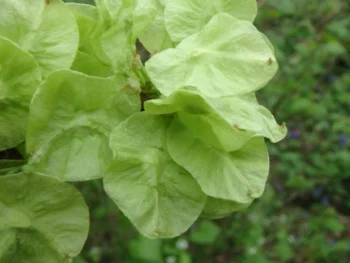
Wych Elm: A Majestic Non-Native Tree for Large Landscapes
If you’ve got acres to spare and a fondness for towering trees with Old World charm, the Wych elm (Ulmus glabra) might just catch your eye. This impressive deciduous giant isn’t your typical backyard tree – it’s more like the kind of stately specimen you’d expect to find gracing the grounds of a European manor house.
What Makes Wych Elm Special?
The Wych elm is a perennial tree that truly lives up to its tree designation – we’re talking about a woody giant that typically soars well above 13-16 feet, often reaching 60-80 feet at maturity. Under certain environmental conditions, it might develop a more modest, multi-stemmed growth pattern, but don’t count on it staying small for long.
What sets this elm apart is its broad, rounded crown and distinctive oval leaves with serrated edges that put on a lovely yellow show come fall. The bark develops interesting corky ridges as the tree matures, adding winter interest to your landscape.
The Non-Native Reality Check
Here’s the thing about Wych elm – it’s not a North American native. Originally from northern and central Europe (think Scotland, Scandinavia, and mountainous regions), this tree has made itself quite at home across Canada and much of the United States. It reproduces spontaneously in the wild and tends to stick around without any help from humans.
You’ll find established populations across an impressive range: New Brunswick, California, Nova Scotia, Ontario, Connecticut, Illinois, Iowa, Kansas, Maine, Massachusetts, Michigan, Minnesota, Missouri, New Jersey, New York, Pennsylvania, Vermont, Virginia, and West Virginia.
- Species observed
- No observations
Where Does Wych Elm Like to Grow?
This tree has some interesting preferences when it comes to moisture. Its wetland status varies significantly by region:
- Arid West & Great Plains: Facultative Upland (usually non-wetlands, but can handle some moisture)
- Atlantic/Gulf Coastal Plain & Eastern Mountains/Piedmont: Obligate Upland (almost never in wetlands)
- Midwest & Northcentral/Northeast: Facultative Upland (prefers drier sites but adaptable)
In general, Wych elm thrives in USDA hardiness zones 4-7, preferring moist but well-drained soils in full sun to partial shade. It’s surprisingly adaptable to various soil types, which partly explains its success as an introduced species.
Should You Plant Wych Elm?
The honest answer? It depends on your situation and values. Here’s the breakdown:
Consider Wych elm if you have:
- A large property with plenty of room for a massive tree
- Appreciation for European landscape aesthetics
- Patience (trees take time to reach their impressive mature size)
- A desire for reliable shade and seasonal interest
Skip it if you:
- Have a small residential lot
- Prefer supporting native ecosystems
- Want a tree with significant pollinator benefits
- Live in an area where native alternatives would thrive
Native Alternatives to Consider
If you love the idea of a large, stately tree but want to support local ecosystems, consider these native alternatives:
- American elm (Ulmus americana) – similar form, better for native wildlife
- Red oak (Quercus rubra) – excellent fall color and wildlife value
- Sugar maple (Acer saccharum) – spectacular fall display
- American basswood (Tilia americana) – great for pollinators
Growing Wych Elm Successfully
If you’ve decided to go ahead with Wych elm, here’s how to give it the best start:
Planting tips:
- Choose a location with at least 50-60 feet of clearance in all directions
- Plant in spring or fall when temperatures are moderate
- Dig a hole twice as wide as the root ball but no deeper
- Water regularly during the first few years until established
Ongoing care:
- Prune during dormant season to maintain shape and remove dead wood
- Mulch around the base to retain moisture and suppress weeds
- Be patient – these trees are slow to moderate growers
- Watch for typical elm issues like Dutch elm disease, though Wych elm has some resistance
The Bottom Line
Wych elm is an undeniably impressive tree that can add Old World elegance to the right landscape. While it’s not native to North America, it’s not currently listed as invasive either. If you have the space and appreciate its European heritage, it can be a worthwhile addition. However, if you’re looking to support local wildlife and ecosystems, you might want to explore those native alternatives instead. Either way, remember that planting any large tree is a long-term commitment – choose wisely!