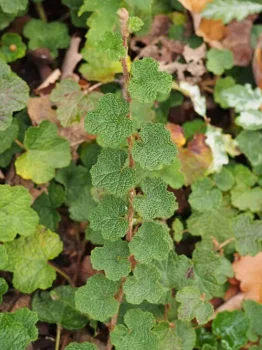
Yü-shan Raspberry: A Mysterious Member of the Rubus Family
If you’ve stumbled across the name yü-shan raspberry in your plant research, you’ve discovered one of the more elusive members of the raspberry family. Known botanically as Rubus hayatakoidzumii, this species represents something of a puzzle in the gardening world – intriguing in name, but frustratingly scarce in readily available information.
What We Know About Yü-shan Raspberry
The yü-shan raspberry belongs to the extensive Rubus genus, which includes all our familiar raspberries, blackberries, and their wild cousins. The scientific name Rubus hayatakoidzumii has at least one recorded synonym: Rubus calycinoides Hayata, though this earlier name is considered illegitimate in botanical nomenclature.
The common name yü-shan raspberry offers a tantalizing clue about its possible origins, as Yü Shan refers to Taiwan’s highest mountain. This suggests the plant may have connections to high-elevation Asian habitats, but without more definitive information, we can’t make firm conclusions about its native range or distribution.
The Challenge for Gardeners
Here’s where things get tricky for anyone interested in growing this particular raspberry. The lack of readily available information about Rubus hayatakoidzumii presents several challenges:
- Uncertain availability in the nursery trade
- Unknown growing requirements and care needs
- Unclear native status and geographical distribution
- Unknown hardiness zones and climate preferences
- Uncertain wildlife and pollinator benefits
What This Means for Your Garden
Without clear information about this species’ characteristics, growing requirements, or even its conservation status, it’s difficult to make informed recommendations about whether to include it in your landscape. The mystery surrounding Rubus hayatakoidzumii means that even experienced gardeners would be taking a leap of faith.
If you’re drawn to the idea of growing unusual raspberry species, you might want to consider better-documented alternatives that can provide similar satisfaction without the uncertainty. Many native Rubus species offer excellent wildlife habitat, delicious fruit, and well-understood growing requirements.
Alternative Raspberry Options
Instead of puzzling over the mysterious yü-shan raspberry, consider these better-known options:
- Native raspberry species appropriate to your region
- Well-documented Asian raspberry varieties with known growing requirements
- Traditional cultivated raspberries with proven garden performance
These alternatives can provide the satisfaction of growing interesting Rubus species while ensuring you have access to proper care information and reasonable expectations for success.
The Bottom Line
While the yü-shan raspberry certainly sounds intriguing, the lack of available information makes it a challenging choice for most gardeners. Sometimes the most responsible gardening decision is to choose plants we can grow successfully and sustainably, rather than chasing botanical mysteries that might lead to disappointment.
If you do encounter this species through specialized nurseries or plant societies, proceed with caution and gather as much specific information as possible about its origins, requirements, and appropriateness for your local ecosystem before planting.