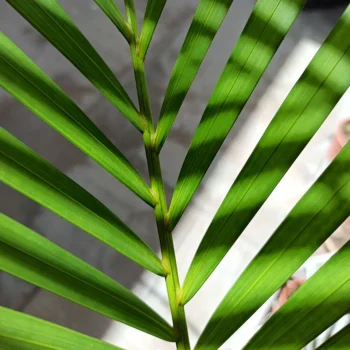
Yellow Butterfly Palm: A Graceful Tropical Beauty for Your Garden
If you’ve ever dreamed of bringing a slice of tropical paradise to your garden or home, the Yellow Butterfly Palm might just be the plant to make those dreams come true. With its elegant, feathery fronds and distinctive yellowish-green coloring, this palm has become a favorite among gardeners looking to create that perfect tropical vibe.
What’s in a Name?
Scientifically known as Dypsis lutescens, this beauty goes by the common name Yellow Butterfly Palm, though you might also see it referred to by its former scientific name, Chrysalidocarpus lutescens. The butterfly in its name comes from the graceful way its fronds seem to flutter in the breeze, much like delicate butterfly wings.
Where Does It Come From?
Originally hailing from the island of Madagascar, the Yellow Butterfly Palm has made itself at home in various warm climates around the world. In the United States, you’ll find it growing outdoors in Florida, Guam, Palau, and Puerto Rico, where it has established itself as a non-native species that reproduces naturally in the wild.
- Species observed
- No observations
What Makes It Special?
This perennial palm is quite the showstopper. As a tree species, it typically grows as a single-trunked specimen reaching heights greater than 13 to 16 feet, though under certain conditions, it may develop multiple stems or stay shorter. What really sets it apart is its aesthetic appeal – those gorgeous, arching fronds with their yellowish-green hue create an instant tropical focal point wherever they’re planted.
Garden Role and Design Ideas
The Yellow Butterfly Palm works wonderfully as:
- A stunning specimen plant in tropical and subtropical gardens
- A natural privacy screen when planted in groups
- An elegant container plant for patios and indoor spaces
- A focal point in Mediterranean-style landscapes
Growing Conditions and Care
This palm thrives in USDA hardiness zones 10-12, making it perfect for year-round outdoor growing in the warmest regions. In cooler areas, it makes an excellent houseplant. Here’s what it needs to flourish:
- Light: Bright, indirect light (avoid harsh, direct sunlight)
- Soil: Well-draining soil that retains some moisture
- Water: Consistent moisture without waterlogging
- Humidity: Appreciates higher humidity levels
- Temperature: Warm temperatures year-round
Wetland Tolerance
Interestingly, this palm shows different wetland preferences depending on location. In the Atlantic and Gulf Coastal Plain regions, it’s considered facultative, meaning it can handle both wet and dry conditions. However, in Caribbean regions, it prefers upland areas and rarely occurs in wetlands.
Planting and Care Tips
To keep your Yellow Butterfly Palm happy:
- Water regularly but ensure good drainage to prevent root rot
- Provide filtered light rather than intense direct sun
- Maintain humidity around the plant, especially indoors
- Fertilize regularly during growing season with palm-specific fertilizer
- Prune only completely brown, dead fronds
- Watch for spider mites and scale insects, common palm pests
Wildlife and Pollinator Considerations
While the Yellow Butterfly Palm is primarily wind-pollinated and doesn’t offer significant benefits to bees or butterflies, it can provide nesting sites and shelter for birds in outdoor settings.
Should You Plant It?
The Yellow Butterfly Palm can be a wonderful addition to the right garden setting. Since it’s non-native but not considered invasive or problematic, you can feel comfortable growing it if it suits your garden’s needs and climate. However, if you’re passionate about supporting local ecosystems, consider exploring native palm alternatives that might provide similar aesthetic appeal while supporting local wildlife.
For gardeners in appropriate climates who love the tropical look and don’t mind caring for a somewhat particular plant, the Yellow Butterfly Palm offers years of exotic beauty and that coveted vacation-in-your-backyard feeling.