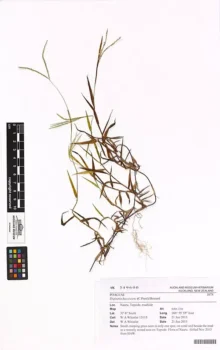
Yellow Crabgrass: What Pacific Gardeners Need to Know
If you’re gardening in Hawaii, Guam, or Palau, you’ve likely encountered yellow crabgrass (Digitaria fuscescens) whether you planted it or not. This grass species has made itself quite at home across the Pacific, and understanding its characteristics can help you make informed decisions about your landscape.
What is Yellow Crabgrass?
Yellow crabgrass is a non-native grass species that belongs to the Poaceae family. As its botanical name Digitaria fuscescens suggests, it’s part of the crabgrass genus, known for their distinctive finger-like seed heads and spreading growth habit. This particular species can behave as either an annual or perennial, depending on growing conditions.
Where You’ll Find It
Currently, yellow crabgrass has established populations in Hawaii, Guam, and Palau. It’s considered non-native to these regions, meaning it was introduced from elsewhere and has successfully naturalized in Pacific island environments.
- Species observed
- No observations
Garden Appeal and Characteristics
Like most crabgrass species, yellow crabgrass has a low-growing, spreading habit that forms dense mats. While it may not win any beauty contests, it does provide:
- Quick ground coverage
- Erosion control on slopes
- Tolerance for various soil conditions
- Low maintenance once established
Growing Conditions and Care
Yellow crabgrass thrives in warm, humid climates typical of USDA hardiness zones 9-11. It’s adaptable to various soil types and generally requires minimal care once established. The grass spreads readily, which can be both an advantage for ground coverage and a concern for garden management.
Basic care includes:
- Regular watering during establishment
- Occasional mowing if used as turf
- Monitoring spread to prevent unwanted colonization
Should You Plant Yellow Crabgrass?
While yellow crabgrass isn’t currently listed as invasive, its non-native status and tendency to spread aggressively deserve consideration. Before adding it to your landscape, consider these factors:
Potential benefits:
- Quick establishment and ground coverage
- Minimal maintenance requirements
- Tolerance for challenging growing conditions
Potential concerns:
- May outcompete native plants
- Difficult to control once established
- Limited wildlife and pollinator benefits
Native Alternatives to Consider
Instead of yellow crabgrass, consider these native grass options that provide similar benefits while supporting local ecosystems:
- Native sedges (Cyperaceae species)
- Indigenous grass species native to your specific island
- Local groundcover plants adapted to Pacific island conditions
Consult with your local native plant society or extension service to identify the best native alternatives for your specific location and garden needs.
The Bottom Line
Yellow crabgrass is already well-established across Pacific islands, and gardeners will likely encounter it regardless of planting decisions. If you’re dealing with existing populations, proper management can help control its spread. For new plantings, exploring native alternatives often provides better long-term benefits for both your garden and local ecosystems.
Remember, successful gardening isn’t just about what grows well—it’s about choosing plants that support the bigger picture of environmental health and biodiversity in your region.