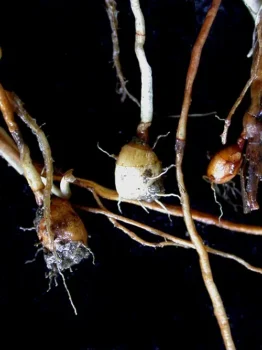
Yellow Flatsedge: A Wetland Sedge for Specialized Gardens
If you’re looking for a plant that thrives in soggy conditions where most other plants throw in the towel, yellow flatsedge (Cyperus flavidus) might catch your attention. This unassuming little sedge has made quite the journey from its tropical origins to establish itself in various Pacific locations, and while it won’t win any beauty contests, it certainly knows how to handle wet feet!
What Exactly Is Yellow Flatsedge?
Yellow flatsedge is a grass-like plant that belongs to the sedge family (Cyperaceae). Don’t let the name fool you—it’s not actually a grass, though it shares that distinctive narrow-leafed, clumping appearance that makes sedges look like their grass cousins. The yellow in its name comes from the golden to yellow-green seed heads that appear throughout its growing season.
This plant can behave as either an annual or perennial depending on growing conditions, which gives it quite a bit of flexibility in different climates. You might also see it referred to by its scientific synonym, Pycreus flavidus, in older gardening references.
Where Does Yellow Flatsedge Come From?
Originally native to tropical regions of Asia, Australia, and various Pacific islands, yellow flatsedge has established itself as a non-native species in parts of the Pacific Basin. In the United States, you’ll find it growing in Guam and Palau, where it reproduces on its own and has become part of the naturalized flora.
- Species observed
- No observations
Should You Plant Yellow Flatsedge in Your Garden?
Here’s where things get interesting—and a bit complicated. Yellow flatsedge isn’t going to be the showstopper of your garden. Its aesthetic appeal is, let’s be honest, pretty minimal. The small, inconspicuous flowers and modest growth habit make it more of a utility player than a star performer.
However, if you have consistently wet or boggy areas in your landscape that other plants struggle with, yellow flatsedge might deserve consideration. It’s particularly useful for:
- Rain gardens and bioswales
- Pond or water feature margins
- Areas with poor drainage
- Erosion control in wet locations
Since this is a non-native species, you might want to consider native alternatives first. Look for indigenous sedges or rushes in your area that could provide similar benefits while supporting local ecosystems.
Growing Conditions and Care
If you decide to give yellow flatsedge a try, you’ll find it’s refreshingly low-maintenance—once you get the growing conditions right. This plant is all about the water!
Light Requirements: Yellow flatsedge is flexible with light, tolerating everything from full sun to partial shade. It tends to be most vigorous in brighter conditions.
Soil and Water: This is where yellow flatsedge really shines (if we can call it shining). It absolutely loves consistently moist to wet soils and can even handle periodic flooding. In fact, it has a facultative wetland status, meaning it’s equally comfortable in wetlands and slightly drier areas.
Climate Considerations: Being from tropical origins, yellow flatsedge is only hardy in USDA zones 9-11. It’s quite frost-sensitive, so gardeners in cooler climates would need to treat it as an annual or grow it in containers that can be moved indoors.
Planting and Maintenance Tips
The good news about yellow flatsedge is that once established, it pretty much takes care of itself. Here’s what you need to know:
- Plant in spring after the last frost date
- Ensure consistent moisture—never let it dry out completely
- Minimal fertilization needed; it’s adapted to nutrient-poor wetland conditions
- Self-seeds readily, so be prepared for it to spread naturally
- Remove spent flower heads if you want to prevent self-seeding
Wildlife and Ecological Considerations
While yellow flatsedge won’t attract clouds of butterflies or hummingbirds, it does provide some ecological benefits. As a wind-pollinated plant, it offers habitat structure for small wildlife and insects, though its contributions are modest compared to more showy native alternatives.
The plant’s ability to grow in wet conditions means it can help with erosion control and water filtration in appropriate settings.
The Bottom Line
Yellow flatsedge is one of those plants that fills a very specific niche. If you have a wet, challenging spot in your landscape and live in a warm climate, it might be worth considering. However, its non-native status and limited ornamental appeal mean you should probably explore native sedge options first.
Think of yellow flatsedge as a backup plan rather than a first choice—useful in the right circumstances, but not necessarily the star of your garden show. Sometimes, though, those reliable understudies are exactly what you need to make the whole production work!