Yellow Groove Bamboo: A Beautiful But Problematic Garden Choice
Yellow groove bamboo (Phyllostachys aureosulcata), also known as yellow grove bamboo, is one of those plants that catches your eye immediately—and then proceeds to take over your entire yard if you’re not careful. This striking bamboo species has become increasingly popular among gardeners seeking fast privacy screens, but there’s more to this story than meets the eye.
What Makes Yellow Groove Bamboo So Appealing?
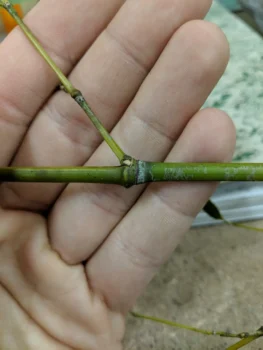
Let’s be honest—yellow groove bamboo is absolutely gorgeous. This perennial graminoid (that’s fancy talk for a grass-like plant) produces stunning golden-yellow culms (bamboo speak for stems) decorated with distinctive green stripes. The canes can reach impressive heights and create an elegant, arching silhouette that sways gracefully in the breeze. It’s the kind of plant that makes neighbors stop and ask, What is that beautiful bamboo?
The Not-So-Native Truth
Here’s where things get complicated. Yellow groove bamboo isn’t native to North America—it originally hails from China and northeastern Asia. While it has established itself across several states including Alabama, Georgia, New York, South Carolina, Tennessee, Virginia, and West Virginia, this widespread presence isn’t necessarily a good thing.
- Species observed
- No observations
Why You Might Want to Think Twice
Before you rush to the nursery, there’s something important you need to know: yellow groove bamboo has earned itself a reputation as an invasive species. It’s classified as Tier 2 invasive in Maryland and is actually prohibited in New Hampshire. This running bamboo spreads through underground rhizomes that can travel surprising distances, popping up in unexpected places and potentially crowding out native vegetation.
The plant’s aggressive spreading nature means it can quickly escape cultivation and establish itself in natural areas, where it competes with native plants that local wildlife depends on for food and habitat.
Growing Conditions and Care (If You Already Have It)
If you already have yellow groove bamboo on your property, here’s what you need to know about managing it:
- Hardiness: Thrives in USDA zones 5-9
- Light requirements: Full sun to partial shade
- Soil preferences: Moist, well-drained soil
- Containment: Absolutely essential—use root barriers or plant in large containers
- Maintenance: Regular thinning and rhizome pruning to prevent spread
Native Alternatives Worth Considering
Instead of risking the invasive spread of yellow groove bamboo, consider these native alternatives that can provide similar benefits:
- River cane (Arundinaria gigantea): North America’s only native bamboo, perfect for naturalizing
- Switch grass (Panicum virgatum): Tall, graceful grass that provides excellent wildlife habitat
- Big bluestem (Andropogon gerardii): Beautiful prairie grass with stunning fall color
- Eastern red cedar (Juniperus virginiana): For year-round screening with native wildlife benefits
The Bottom Line
While yellow groove bamboo undeniably has visual appeal, its invasive nature and potential ecological impact make it a risky choice for responsible gardeners. The plant’s ability to spread rapidly and establish in natural areas poses threats to native ecosystems that support local wildlife.
If you’re looking for fast-growing screening plants or ornamental grasses, there are plenty of native options that can provide similar benefits without the ecological concerns. Your local wildlife—and your neighbors—will thank you for choosing plants that support rather than disrupt the natural balance of your region.
Remember, great gardens aren’t just about what looks good today—they’re about creating sustainable, beneficial spaces that enhance the broader ecosystem for generations to come.