Yellow Hairgrass: A Delicate European Import for Your Garden
If you’re looking for a fine-textured grass that won’t dominate your garden, yellow hairgrass (Aira praecox) might catch your eye. This petite annual grass brings a soft, almost ethereal quality to landscapes with its delicate appearance and early spring blooms. But before you decide whether this European native deserves a spot in your garden, let’s dive into what makes this little grass tick.
What Exactly Is Yellow Hairgrass?
Yellow hairgrass, scientifically known as Aira praecox, is a small annual grass that’s as delicate as its name suggests. Also known by the synonym Aspris praecox, this graminoid (that’s botanist-speak for grass-like plant) originally hails from Europe and western Asia. Don’t let its dainty appearance fool you—this little grass has successfully established itself across multiple continents.
Where You’ll Find It Growing Wild
As a non-native species that’s been introduced to North America, yellow hairgrass has made itself at home in both Canada and the United States. You can find it growing wild in British Columbia and Nova Scotia in Canada, and across numerous U.S. states including California, Connecticut, Delaware, Maryland, Massachusetts, New Jersey, New York, North Carolina, Oregon, Pennsylvania, Virginia, and Washington. It reproduces on its own in the wild and tends to stick around once it’s established.
- Species observed
- No observations
The Look and Feel
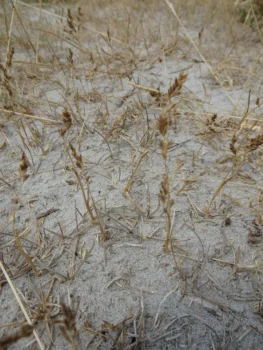
Yellow hairgrass lives up to its common name with extremely fine, hair-like leaves that create a soft, feathery texture in the landscape. In early spring, it produces small, pale yellowish flower clusters that give the plant its name. The entire plant stays quite small and maintains a delicate, almost wispy appearance that can add subtle texture to garden compositions.
Garden Role and Design Potential
This petite grass works well as:
- Ground cover in naturalized areas
- Filler in rock gardens
- Texture plant in Mediterranean-style gardens
- Addition to European-inspired grassland settings
- Coverage for areas with poor, sandy soils where other plants struggle
Growing Conditions That Make It Happy
Yellow hairgrass is surprisingly adaptable and actually thrives in conditions that might stress other plants. It prefers:
- Sandy, well-drained soils
- Full sun to partial shade
- Poor to average soil conditions
- Dry to moderately moist conditions
- USDA hardiness zones 3-9
Planting and Care Tips
One of yellow hairgrass’s biggest selling points is how easy it is to grow. Here’s what you need to know:
- Start from seed in early spring or fall
- Scatter seeds directly where you want them to grow
- Barely cover seeds with soil—they need light to germinate
- Water lightly until established
- Once established, it’s quite drought tolerant
- It readily self-sows, so expect it to return next year
- Requires minimal maintenance once established
Wildlife and Pollinator Considerations
As a wind-pollinated grass, yellow hairgrass offers limited benefits to pollinators compared to flowering native plants. Its small size and non-native status mean it doesn’t provide significant wildlife habitat or food sources for local fauna.
Should You Plant It?
Yellow hairgrass can be a charming addition to the right garden setting, especially if you’re creating a Mediterranean or European-inspired landscape. It’s particularly useful for challenging sites with poor, sandy soil where native options might struggle. However, since it’s not native to North America, consider these alternatives that provide similar aesthetic qualities while supporting local ecosystems:
- Native bunch grasses like little bluestem (Schizachyrium scoparium)
- Buffalo grass (Bouteloua dactyloides) for drought-prone areas
- Regional native sedges that offer fine texture
If you do choose to grow yellow hairgrass, keep an eye on its spread since it self-sows readily. While it’s not currently listed as invasive, being mindful of any non-native plant’s behavior in your local ecosystem is always wise.
Whether you choose yellow hairgrass or a native alternative, remember that the best garden plants are those that thrive in your specific conditions while contributing to the broader ecological web of your region.