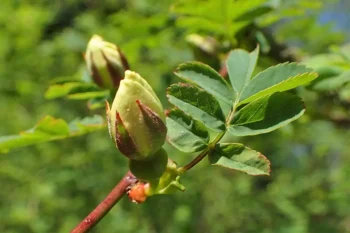
Yellow Rose (Rosa xanthina): A Cheerful Early-Blooming Addition to Your Garden
If you’re looking for a rose that breaks the mold of fussy, high-maintenance varieties, Rosa xanthina might just be your new garden buddy. This charming yellow rose brings sunshine to your landscape earlier than most roses dare to bloom, and it does so without demanding constant attention.
Getting to Know the Yellow Rose
Rosa xanthina goes by the simple and straightforward common name yellow rose, though you might also encounter it listed under its synonym Rosa hugonis in some older gardening references. This perennial shrub has a delightfully relaxed growing habit, staying compact at just 1.5 feet tall on average, and never getting taller than 3 feet even at full maturity.
Where Does It Come From?
Originally hailing from northern China and Korea, Rosa xanthina has made itself at home in parts of North America. You’ll find established populations in Ontario, Canada, and South Carolina in the United States. This non-native species has proven it can thrive outside its homeland, reproducing naturally without human intervention.
- Species observed
- No observations
Why You Might Love This Rose
What sets Rosa xanthina apart from its more demanding rose cousins is its early-season show and low-maintenance personality. Here’s what makes it special:
- Bright yellow single flowers that appear in late spring, often before other roses wake up
- Arching branches that create an elegant, naturalistic form
- Small, delicate leaflets that add fine texture to the garden
- Excellent drought tolerance once established
- Minimal pruning requirements
Garden Design Ideas
This adaptable shrub fits beautifully into cottage gardens where its informal habit feels right at home. It’s also perfect for mixed borders where you want early color, or in naturalized areas where it can spread and form colonies. The compact size makes it suitable even for smaller gardens where space is at a premium.
Pollinator-Friendly Features
Those cheerful single yellow flowers aren’t just pretty to look at – they’re also pollinator magnets. Unlike double roses that often hide their pollen and nectar, Rosa xanthina’s simple blooms provide easy access for bees and other beneficial insects looking for an early-season meal.
Growing Conditions and Care
Rosa xanthina is refreshingly unfussy about its growing conditions. Here’s what it needs to thrive:
- Sunlight: Full sun to partial shade (though more sun means more flowers)
- Soil: Well-drained soil of almost any type
- Water: Regular water when young, drought-tolerant once established
- Climate: Hardy in USDA zones 4-8
Planting and Care Tips
Getting Rosa xanthina established in your garden is straightforward:
- Plant in spring or fall when temperatures are moderate
- Dig a hole twice as wide as the root ball but no deeper
- Water regularly the first year to help roots establish
- Prune minimally – just remove old, dead canes after flowering
- Mulch around the base to retain moisture and suppress weeds
A Note About Native Alternatives
While Rosa xanthina is a lovely garden plant, gardeners interested in supporting local ecosystems might consider native rose alternatives like Rosa carolina (Carolina rose) or Rosa virginiana (Virginia rose). These native options provide similar beauty while offering maximum benefits to local wildlife and pollinators.
The Bottom Line
Rosa xanthina offers gardeners the joy of roses without the drama. Its early blooms, compact size, and easygoing nature make it a solid choice for anyone wanting reliable spring color. Whether you’re a beginning gardener or simply tired of high-maintenance plants, this yellow rose might just earn a permanent spot in your heart – and your garden.