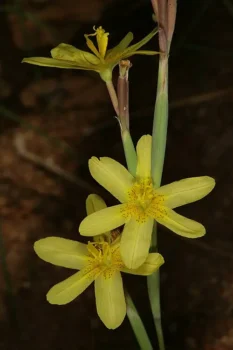
Yellow Tulip (Moraea pallida): Why This Pretty Flower Might Not Belong in Your Garden
The yellow tulip, scientifically known as Moraea pallida, might catch your eye with its cheerful blooms, but there’s more to this South African native than meets the eye. Before you fall in love with those sunny yellow flowers, let’s dive into why this particular plant might not be the best choice for your garden.
What is Yellow Tulip?
Yellow tulip is a perennial forb that produces bright yellow, tulip-shaped flowers in spring. Despite its common name, it’s not actually related to true tulips at all! This plant grows from bulbs and belongs to the iris family. It has the synonym Homeria pallida Baker, which you might encounter in older gardening references.
As a forb, yellow tulip lacks significant woody tissue above ground, instead growing from underground bulbs that store energy for the next growing season. The plant goes dormant during hot, dry summers and emerges again when cooler, wetter weather returns.
Where Does Yellow Tulip Come From?
This plant hails from South Africa’s Western Cape region, where it thrives in Mediterranean-type climates with wet winters and dry summers. Unfortunately, this adaptability to diverse conditions is part of what makes it problematic when introduced to other regions.
The Problem: Why You Shouldn’t Plant Yellow Tulip
Here’s the important part: Moraea pallida is classified as a noxious weed in the United States. This means it’s not just invasive—it’s considered harmful enough to warrant legal restrictions on its cultivation, sale, or transport.
Noxious weeds can:
- Outcompete native plants for resources
- Disrupt local ecosystems
- Alter soil composition
- Reduce biodiversity in natural areas
- Be difficult or expensive to control once established
What Makes It So Problematic?
Yellow tulip spreads both by seed and by producing new bulbs underground. Its ability to thrive in various soil types and weather conditions, combined with its attractive flowers that gardeners unknowingly spread, makes it particularly challenging to contain.
The plant typically grows in USDA hardiness zones 9-11 and prefers full sun with well-draining soil. Once established, it’s quite drought tolerant—qualities that normally make for great garden plants, but in this case contribute to its invasive success.
Better Alternatives for Your Garden
Instead of planting yellow tulip, consider these native alternatives that offer similar spring color and charm:
- California poppy (Eschscholzia californica) – Bright orange blooms, drought tolerant
- Desert marigold (Baileya multiradiata) – Yellow daisy-like flowers, long blooming period
- Lanceleaf coreopsis (Coreopsis lanceolata) – Cheerful yellow flowers, attracts beneficial insects
- Wild bergamot (Monarda fistulosa) – Lavender flowers, excellent for pollinators
If You Already Have Yellow Tulip
If you discover yellow tulip already growing in your garden, it’s best to remove it carefully. Dig up all bulbs and bulblets, as even small pieces can regenerate. Dispose of plant material in municipal yard waste (never compost it), and consider replacing the area with native plants suited to your region.
The Bottom Line
While yellow tulip might seem like an attractive addition to Mediterranean-style gardens or drought-tolerant landscapes, its noxious weed status makes it a plant to avoid. By choosing native alternatives instead, you’ll create a more sustainable garden that supports local wildlife and ecosystems while still enjoying beautiful spring blooms.
Remember, the most beautiful gardens are those that work in harmony with their local environment—and that means saying no to plants that could cause ecological harm, no matter how pretty they might be!