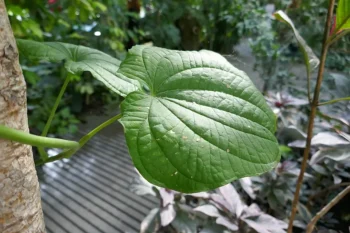
Zanzibar Yam: A Mysterious Climbing Perennial for Florida Gardens
If you’ve stumbled across the name Zanzibar yam (Dioscorea sansibarensis) in your gardening research, you’re not alone in wondering what exactly this plant is all about. This climbing perennial herb belongs to the yam family and has found its way into Florida’s landscape, though it remains somewhat of an enigma in the gardening world.
What Is Zanzibar Yam?
Zanzibar yam is a non-native perennial herb that grows as a climbing vine. Unlike woody plants, it lacks significant woody tissue above ground, making it what botanists call a forb herb. This means it’s a soft-stemmed plant that comes back year after year, but without the permanent woody structure you’d find in trees or shrubs.
Where Does It Grow?
Currently, Zanzibar yam has established itself in Florida, where it reproduces on its own without human intervention. As its name suggests, this species likely originated from the Zanzibar region of East Africa before making its way to American soil.
- Species observed
- No observations
Should You Grow Zanzibar Yam?
Here’s where things get a bit tricky. While Zanzibar yam isn’t currently listed as invasive or noxious, there’s limited information available about its behavior in garden settings or its impact on local ecosystems. This uncertainty makes it a bit of a wild card for gardeners.
If you’re looking for climbing vines with similar characteristics, consider these native Florida alternatives instead:
- Wild yam (Dioscorea villosa) – a native climbing vine
- Virginia creeper (Parthenocissus quinquefolia) – excellent for covering structures
- Crossvine (Bignonia capreolata) – beautiful orange flowers and evergreen foliage
Growing Conditions and Care
Unfortunately, specific growing requirements for Zanzibar yam are not well-documented. Based on its tropical origins and presence in Florida, it likely prefers:
- Warm, humid conditions
- Well-draining soil
- Some form of support for climbing
- Protection from frost
The Bottom Line
Zanzibar yam represents one of those plants that exists in a gray area of gardening knowledge. While it’s established in Florida and doesn’t appear to be problematic, the lack of detailed information about its garden performance, wildlife benefits, and long-term behavior makes it difficult to recommend with confidence.
For gardeners who value certainty and ecological benefits, sticking with well-known native climbing plants will give you better results and support local wildlife. However, if you’re an adventurous gardener who encounters this plant, it’s not necessarily something to avoid – just approach it with appropriate caution and monitor its behavior in your garden.
As with any non-native plant, keep an eye on how it spreads and be prepared to manage it if it becomes too aggressive. And remember, when in doubt, native plants are almost always the safer and more beneficial choice for your local ecosystem.