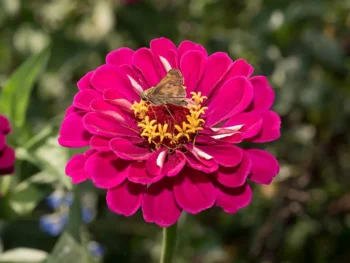
Zinnia: The Cheerful Non-Native Annual That Brightens Any Garden
If you’re looking for a flower that practically screams summer fun, zinnias might just be your new best friend. These vibrant beauties have been winning over gardeners for generations with their bold colors and carefree attitude. But before you fill your cart with zinnia seeds, let’s dig into what makes these flowers tick and whether they deserve a spot in your garden.
What Exactly Is a Zinnia?
Zinnias belong to a group of plants called forbs or herbs – essentially, they’re flowering plants without woody stems above ground. Think of them as the opposite of shrubs or trees. Most zinnias grown in gardens are annuals, meaning they complete their entire life cycle in one growing season, though some varieties can act as perennials in warmer climates.
These cheerful flowers originally hail from Mexico and Central America, making them non-native to the United States. However, they’ve naturalized in many areas and can now be found growing wild in states from Arizona to Florida, and everywhere from Hawaii to the Virgin Islands.
- Species observed
- No observations
Why Gardeners Fall for Zinnias
There’s a lot to love about these unpretentious flowers:
- Incredible color range: From fire-engine red to soft pastels, zinnias come in nearly every color except blue
- Long blooming season: They’ll keep pumping out flowers from summer until frost
- Pollinator magnets: Butterflies, bees, and beneficial insects can’t resist them
- Excellent cut flowers: They last well in vases and make cheerful bouquets
- Easy to grow: Perfect for beginning gardeners or anyone who wants low-maintenance color
Where Zinnias Shine in Your Landscape
Zinnias are incredibly versatile and work beautifully in various garden settings:
- Annual beds: Create stunning mass plantings for maximum impact
- Cottage gardens: Their informal, old-fashioned charm fits perfectly
- Cutting gardens: Grow rows for endless bouquets
- Container gardens: Smaller varieties thrive in pots and planters
- Border plantings: Use as colorful edging or middle-ground plants
Growing Zinnias Successfully
The good news? Zinnias are about as fuss-free as flowers get. Here’s what they need to thrive:
Sun Requirements: Full sun is non-negotiable. These heat-lovers need at least 6-8 hours of direct sunlight daily.
Soil Conditions: Well-draining soil is key. They’re not picky about soil type but will sulk in waterlogged conditions. Average garden soil works perfectly fine.
Hardiness: Zinnias are frost-tender annuals that can be grown in all USDA zones. In zones 9-11, some varieties may survive winter as perennials.
Planting and Care Tips
- Start from seed: Direct sow seeds in the garden after soil warms to 60°F, or start indoors 4-6 weeks before last frost
- Spacing matters: Give plants proper spacing for good air circulation to prevent fungal issues
- Water wisely: Water at soil level rather than overhead to keep leaves dry
- Deadhead regularly: Remove spent blooms to encourage continuous flowering
- Minimal fertilizing: Too much nitrogen creates leafy plants with fewer flowers
A Word About Native Alternatives
While zinnias are wonderful garden plants, you might also consider native alternatives that provide similar benefits while supporting local ecosystems. Depending on your region, native options like black-eyed Susan (Rudbeckia), blanket flower (Gaillardia), or purple coneflower (Echinacea) can offer similar color and pollinator appeal with the added bonus of being perfectly adapted to your local conditions.
The Bottom Line on Zinnias
Zinnias earn their place in gardens through sheer determination to bloom and please. They’re reliable, colorful, and bring joy to both gardeners and pollinators. While they’re not native plants, they’re generally well-behaved garden citizens that won’t take over your landscape or escape into natural areas.
Whether you’re a seasoned gardener looking for dependable color or a beginner wanting guaranteed success, zinnias deliver. Just remember to balance your garden with native plants too – your local wildlife will thank you for the variety!