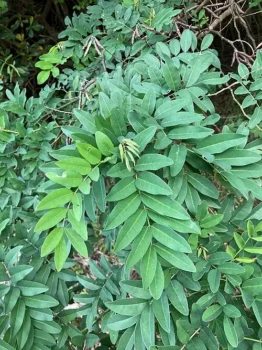
Zollinger’s Indigo: A Tropical Beauty for Warm Climate Gardens
If you’re gardening in a warm, tropical climate and looking for something a little different to add to your landscape, you might want to consider Zollinger’s indigo (Indigofera zollingeriana). This lesser-known member of the pea family brings a touch of exotic charm to gardens lucky enough to have the right growing conditions.
What is Zollinger’s Indigo?
Zollinger’s indigo is a small to medium-sized shrub native to Southeast Asia, particularly Indonesia and Malaysia. You might also see it listed under its botanical synonym, Indigofera teysmannii. Like other members of the indigo family, this plant produces lovely pea-like flowers, though it’s more valued for its ornamental qualities than for dye production.
The plant gets its name from Heinrich Zollinger, a Swiss botanist who collected plants in the Indonesian archipelago during the mid-1800s. While it may not be a household name like some garden favorites, it has carved out a niche among collectors of tropical plants.
Should You Plant Zollinger’s Indigo?
Here’s the thing about Zollinger’s indigo – it’s definitely not for everyone, and that’s mostly due to climate requirements. This tropical native is only hardy in USDA zones 10-11, which means unless you live in southern Florida, Hawaii, or similar warm climates year-round, you’ll be growing it as a container plant that needs winter protection.
What Makes It Special?
When grown in the right conditions, Zollinger’s indigo offers several appealing qualities:
- Delicate compound leaves that create an elegant, feathery texture
- Small pink to purple pea-like flowers that appear in clusters
- Attracts bees and butterflies when in bloom
- Relatively compact growth habit, making it manageable in smaller spaces
- Interesting conversation piece for plant enthusiasts
Growing Conditions and Care
If you’re determined to give Zollinger’s indigo a try, here’s what it needs to thrive:
Light: Full sun to partial shade. In extremely hot climates, some afternoon shade can be beneficial.
Soil: Well-draining soil is essential. Like many tropical plants, it doesn’t tolerate waterlogged conditions.
Water: Regular watering during the growing season, but allow soil to dry slightly between waterings.
Temperature: Warm temperatures year-round. Protect from cold winds and frost.
Planting and Care Tips
For those in suitable climates, plant Zollinger’s indigo in spring after the last chance of cold weather has passed. Choose a location with good drainage and morning sun. In container culture, use a well-draining potting mix and ensure adequate drainage holes.
Pruning can be done after flowering to maintain shape and encourage bushier growth. Like many legumes, this plant can benefit from occasional feeding, though it’s generally not a heavy feeder.
Consider Native Alternatives
While Zollinger’s indigo can be an interesting addition to warm climate gardens, consider exploring native alternatives that provide similar benefits with better local ecosystem support. Native legumes like wild indigo (Amorpha species) or leadplant (Amorpha canescens) offer beautiful flowers, support local wildlife, and are adapted to North American growing conditions.
The Bottom Line
Zollinger’s indigo is one of those plants that appeals to collectors and gardeners looking for something unique. It’s not invasive or problematic, but its limited climate tolerance means it won’t work for most North American gardens. If you’re in a tropical zone and love trying unusual plants, it might be worth seeking out from specialty nurseries. For everyone else, there are plenty of native options that will give you beautiful flowers and better support your local ecosystem.