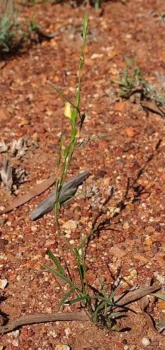
Zornia dyctiocarpa: The Mystery Plant That’s Stumping Gardeners
If you’ve stumbled across the name Zornia dyctiocarpa in your gardening research, you might be scratching your head wondering why information about this plant seems so elusive. You’re not alone! This botanical name presents quite the puzzle for native plant enthusiasts and gardeners alike.
What We Know (And Don’t Know)
Zornia dyctiocarpa belongs to the legume family (Fabaceae), sharing its genus with other small, herbaceous plants known for their distinctive paired leaflets and tiny yellow flowers. However, detailed information about this specific species is remarkably scarce in botanical literature and plant databases.
The lack of readily available information about Z. dyctiocarpa could indicate several possibilities:
- It may be an extremely rare or poorly documented species
- The botanical name might be outdated or invalid
- It could have a very limited geographical distribution
- It might be known primarily in specialized scientific circles
The Challenge for Gardeners
Without clear information about its native range, growing requirements, or availability in the nursery trade, Zornia dyctiocarpa isn’t a practical choice for most gardeners. Even experienced native plant enthusiasts would struggle to source this plant or provide appropriate care without basic horticultural information.
Better Alternatives in the Zornia Genus
If you’re interested in the Zornia genus, consider looking into better-documented species that might be available through native plant societies or specialty nurseries. Other Zornia species are known for their:
- Small, delicate yellow flowers
- Nitrogen-fixing capabilities as legumes
- Tolerance for poor soils
- Potential wildlife benefits for small pollinators
What to Do Instead
Rather than pursuing this mysterious species, consider these alternatives:
- Contact your local native plant society for guidance on similar legumes native to your area
- Explore other small native legumes that provide similar ecological benefits
- Consult with botanical gardens or universities that might have expertise in rare Zornia species
- Focus on well-documented native plants that offer proven benefits for your garden
The Bottom Line
While Zornia dyctiocarpa remains an enigma in the gardening world, there are plenty of other native legumes that can provide the nitrogen-fixing benefits and delicate beauty you might be seeking. Sometimes the best gardening advice is knowing when to pivot to plants with clearer cultivation requirements and proven garden performance.
If you do happen to find reliable information about this species or encounter it in a botanical collection, consider it a rare discovery worth sharing with the native plant community!